From insight to impact
Find what’s holding you back.
Performance & Efficiency, workplace culture and independent investigations.
Insight in Nine
Nine questions to find what’s slowing your team down and where to start.
How a 999 clinical assessment service was turned around
Hear & Treat means safely resolving 999 emergency calls by phone, so ambulance crews stay available for the patients who need them. In August 2023, Mike Ward was asked to lead the turnaround of the team that does this work.
Staffing
From around half of established posts vacant to fully staffed within a year.
Performance
Doubled its Hear & Treat lead over the rest of England.
Culture
Previous concerns about bullying, harassment or racism stamped out.
Initiatives Mike co-developed here have since been rolled out nationally, and he was asked to advise NHS England as a national subject matter expert. Read the full story
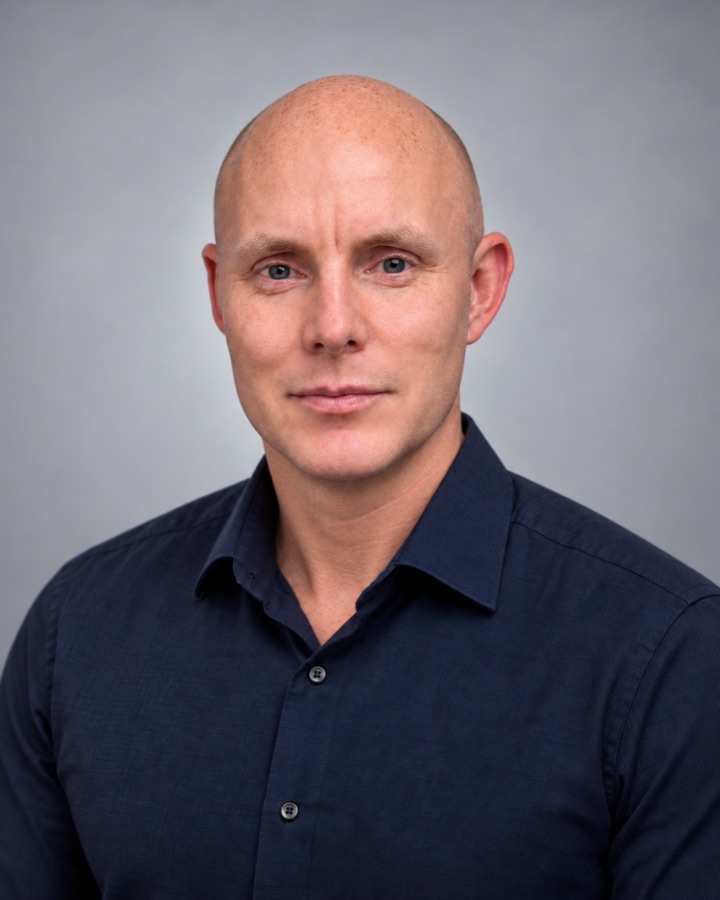
Mike Ward, Founder and Managing Director. An HCPC-registered clinician and senior NHS leader with more than 22 years’ experience in urgent and emergency care.
Mike led this work in a previous role, before founding InsightNine. More about Mike
Mike has led significant changes which have benefited patients here, but also wider.
Chief Medical Officer and Deputy Chief Executive
Mike’s clear dedication to better patient services has shone through at every meeting. He is clearly a hard working, innovative and solution focused colleague.
Director of Urgent and Emergency Care, NHS Acute Trust
Performance & Efficiency
Most work starts with an operational review: a defined look at one service or workflow that shows what is slowing it down and what to change first. From there, the work ranges from quick wins to longer-term transformation.
Scope, timing and fee are confirmed in writing after a scoping conversation, before any work starts.
Discuss an operational reviewWhat an operational review gives you
- A review of one agreed service or workflow
- Interviews and a review of your process and performance information
- An evidence-led account of what is constraining performance
- Prioritised recommendations
- A 90-day action plan
- An executive readout
Ways we support the work
Four practices support a review and what follows it. Use one on its own or combine them.
Decide and redesign
Strategy, operating models and performance improvement for organisations under pressure.
Advisory in detail- Operational and performance reviews
- Operating model and process redesign
- Programme set-up, assurance and recovery
- Board and executive decision support
See what matters
Turn the data you already hold into decisions people trust and act on.
Analytics in detail- Demand, capacity and flow modelling
- Performance frameworks and scorecards
- Dashboards built around real decisions
- Forecasting and scenario analysis
Use technology where it pays
New technology and automation where it adds value. Sometimes a system and process review, with a few changes, is all that is needed.
Labs in detail- System and process reviews
- Automated reporting and admin workflows
- Rapid prototypes, tested on the front line
- Safe adoption: governance, risk and training
Build the capability
Team development: practical skills for leaders and teams, so improvement continues after we leave.
Education in detail- Data literacy for leaders and managers
- Improvement and problem-solving methods
- Practical AI skills for working teams
- Coaching for programme and operational leads
See. Change. Prove.
Performance and culture work follows the same three stages. The third is the one most programmes skip, and the one we will not start without. Investigations follow their own process: Scope. Investigate. Report.
-
See
We start with evidence: your data, your processes and the people who do the work. You get a plain account of what is happening, why, and what it is costing you.
- You get
- A findings readout and a short list of prioritised options
-
Change
We redesign with your teams and test in live operation, so the new way of working survives a busy Tuesday and belongs to the people who run it.
- You get
- Redesigned processes, tools and automations, tested and in use
-
Prove
We agree the measures before the work begins and report against them at the end. Then we hand over the tools and skills so the results last.
- You get
- An impact report against the agreed measures, and a team that can run it without us
Insight in Nine
Where is work getting stuck?
Nine questions to find what’s slowing your team down and where to start.
Your result
Where to look first
One thing to try
Your nine answers
Insight in Nine was written by Mike Ward, founder of InsightNine.
Built for places where getting it wrong matters.
We work with leaders who carry real operational risk and need answers they can defend to a board, a regulator or the public. That covers small teams of fewer than ten people and large departments with hundreds of staff and a leadership structure.
NHS and public services
Trusts, integrated care systems, ambulance and emergency services, and local and central government.
Independent health and care
Providers, health technology companies and suppliers that work with and alongside the NHS.
Small, owner-led businesses
Small businesses that have outgrown their processes and want senior help without a big-firm bill.
Large enterprise
Operations and transformation leaders who want specialists, not a pyramid of juniors.
A consultancy that expects to be held to account.
InsightNine is deliberately small and founder-led, with experience built in complex, safety-critical operations. The person who scopes your work does it and stays close to the result.
Evidence before opinion
Every recommendation traces back to your data and your people. If the evidence does not support it, we do not say it.
The person you meet does the work
No bait and switch. Because we are small, the person who scopes your engagement leads it and stays on it.
Designed with the people who run it
Front-line teams shape and test every change, which is why it holds after we have gone.
We measure what we promised
Success measures are written into the scope. You see the before and the after, in your own numbers.
We leave you stronger
Models, dashboards, automations and the skills to run them are handed over. You are never locked in.
Nine Minutes
One idea, one chart and one thing to try on performance, culture and technology, for organisations of any size. It takes nine minutes to read and arrives once a month. Written by Mike Ward.
Questions worth asking before we start.
What kind of problems do you take on?
Performance that will not shift, teams under demand pressure, data nobody trusts, programmes that have stalled, and teams that want to use new technology but do not know where to begin. If the problem involves people, process and data together, it is our kind of work.
How does an engagement usually begin?
It depends on the route. An operational review starts by agreeing the service or workflow and the question to answer. A culture review starts by understanding the issue and who needs to be heard. An investigation starts with a confidential scoping conversation, a conflict check and agreed terms of reference. In each case, request a conversation and we will send a short written scope before any work starts.
How do you charge?
Scope and fee are agreed before work starts, so there are no surprises. Fees are quoted once the work has been scoped, as a fixed project fee wherever the outcome can be defined. We will tell you if we think a smaller piece of work would answer your question.
Should we hire someone instead?
A permanent hire makes sense when you need someone to own the work day to day. A scoped engagement can help when you need an independent view or specialist support for a defined piece of work.
Do you work with public sector and NHS organisations?
Yes. We work within your procurement and governance rules, and we are used to environments where clinical safety, information governance and public accountability shape every decision.
How do you use technology and AI, and is our data safe?
We use new technology and automation only where they add value and can be governed properly. Often a review of systems and processes, with a few changes, is all that is needed. Your data stays in your environment wherever possible, is handled under a written agreement, and is never used to train third-party models. We explain every tool we propose in plain language before it is used.
You are a small firm. Can you handle a large piece of work?
Being small is the point: the work is led and done by the founder, not passed down a staffing pyramid. Where a piece of work needs more capacity or a specialism we do not have, we say so before we start and agree with you how it will be covered.